

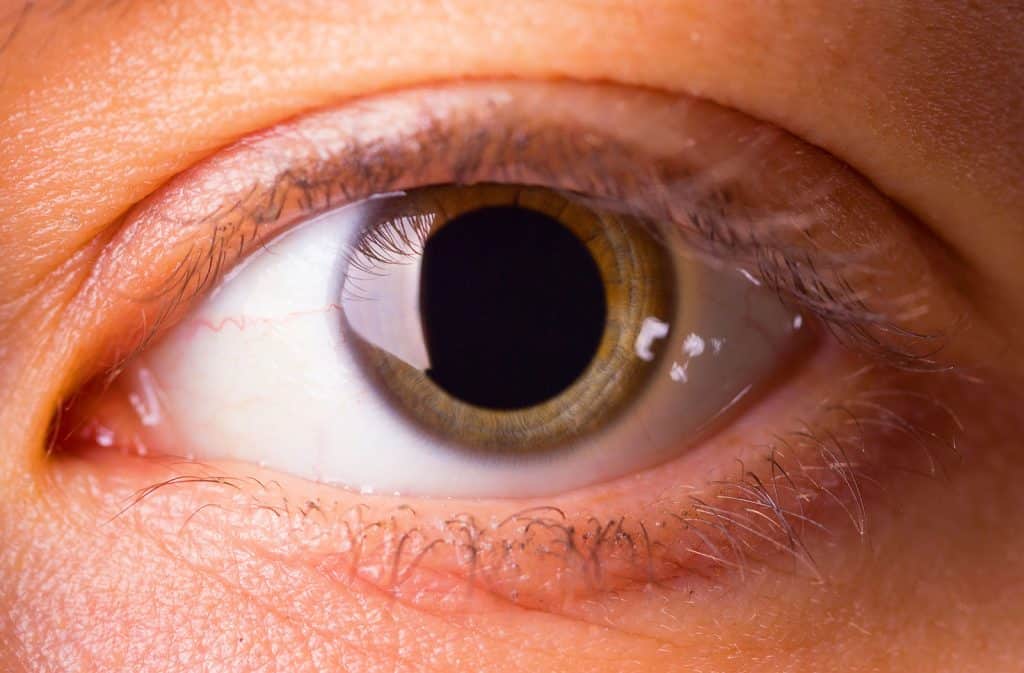
Dilated pupils, also known as mydriasis, are a common side effect of taking prescription and nonprescription medications. This is when the pupils expand in size, making the eyes appear darker than normal. In most cases, dilated pupils return to their normal size within 4 to 6 hours; however, this can vary greatly from person to person. Use this guide to learn more about dilated pupils, what causes them, and how to get rid of dilated pupils from Adderall or other drugs.
What Causes Dilated Pupils?
Pupils are designed to expand in low light, allowing people to see better at night. When it is brighter, the pupils naturally get smaller and the iris gets bigger, limiting the amount of light you see. While light is the most common reason why pupils dilate, it can also be caused by a chemical reaction in the brain. This chemical reaction usually stems from intense emotions, but several drugs can also cause this same reaction. This is an involuntary response and there is very little a person can do to control their pupils.
What Prescription and Nonprescription Drugs Cause Pupils to Dilate?
Dilated pupils are one of the most recognizable signs of drug misuse. The duration varies significantly – some drugs cause dilation lasting only a few hours, while others can affect pupil size for longer than a day depending on the substance and dosage.

If you’ve been prescribed a new medication, dilated pupils may be a normal side effect that resolves within 4-6 hours. However, if your pupils remain dilated beyond 24 hours, you experience additional concerning symptoms, or you’re unsure about the cause, contact your doctor right away. For specific information about which drugs and drug classes affect pupil size, refer to the table below.
Drug Classes and Their Effects on Pupil Size
| Drug Class | Common Examples | Effect on Pupils | Mechanism |
|---|---|---|---|
| Stimulants | Adderall, Ritalin, methamphetamine, amphetamines, cocaine, crystal meth | Dilation (mydriasis) | Activate sympathetic nervous system; increase norepinephrine affecting iris dilator muscle and receptors |
| Opioids | Heroin, fentanyl, oxycodone, morphine, prescription painkillers | Constriction (miosis/pinpoint pupils) | Stimulate parasympathetic nervous system; activate opioid receptors in central nervous system |
| Hallucinogens | LSD, psilocybin, mescaline, MDMA, ecstasy | Dilation | Affect serotonin receptors; stimulate sympathetic response |
| Anticholinergics | Atropine, medications for overactive bladder, motion sickness | Dilation | Block acetylcholine receptors; prevent pupil constriction response |
| Antidepressants (SSRIs) | Prozac, Zoloft, Lexapro | Variable (may cause dilation) | Increase serotonin levels affecting neurotransmitter balance |
| Benzodiazepines | Xanax, Valium, Ativan | Mild dilation | Enhance GABA receptors; relax muscles including eye muscles |
| Antihistamines | Benadryl, allergy medications | Mild dilation | Block histamine receptors; anticholinergic properties |
| Natural Stimuli | Bright light, dim light environments | Constrict in bright light; dilate in dim light | Natural response through both sympathetic and parasympathetic nervous system |
Note: Individuals with substance use disorder or substance misuse involving these types of drugs may require addiction treatment through outpatient or residential programs. Mental health support is crucial, as many of these medications also affect blood pressure, heart rate, blood vessels, and eye movement. If you suspect drug addiction in yourself or a loved one, consult a healthcare provider about substance use treatment options.
What are Pinpoint Pupils?
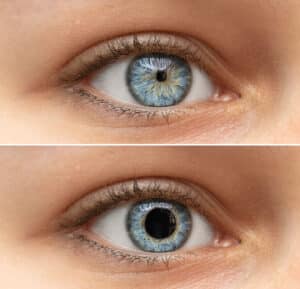
Pinpoint pupils, or miosis, are a common side effect of taking opioids. This occurs when the pupils get less than two millimeters in size and stop responding to light. While this condition is most associated with opioids, sedatives, heroin, fentanyl, painkillers, PCP, and nicotine can cause pinpoint pupils. This could also indicate a more serious health issue or injury.
If you or someone you know has pinpoint pupils with no explanation, you should seek medical assistance. In some cases, smaller pupils can indicate a drug overdose or a severe medical illness.
Risks and Complications Related to Eye Health
Drug-induced dilation can pose serious risks beyond temporary discomfort, particularly for individuals with certain eye conditions. Prolonged pupil dilation may lead to blurred vision, light sensitivity, and difficulty focusing on nearby objects.
One significant concern is the potential for acute angle-closure glaucoma, especially in people with narrow drainage angles or a family history of glaucoma. When pupils remain dilated for extended periods, the eye’s drainage system can become blocked, causing increased IOP (intraocular pressure). This pressure buildup can damage the optic nerve and lead to peripheral vision loss if left untreated.
Individuals using stimulants regularly should schedule a comprehensive eye exam to assess their risk for narrow-angle glaucoma or closed-angle glaucoma. Those with pre-existing eye conditions may experience accelerated optic nerve damage from repeated episodes of drug-induced dilation. Early detection through regular eye exams is crucial for preventing long-term complications and preserving vision health.
Is It Possible to Get Permanent Pupil Dilation?
While most of the time pupils return to normal after a few hours, they can become permanently dilated, or fixed. A fixed dilated pupil can be the symptom of a brain injury or other trauma. Prolonged drug use can also cause permanently dilated pupils.

How to Get Rid of Dilated Pupils from Adderall and Other Drugs
While there are treatments available for pupil dilation, such as surgery or prescription medication, the recommended treatment will vary greatly depending on how the pupils became dilated. If the condition occurred from taking prescription or nonprescription medications, you may need to wait for all of the effects of the drug to leave your system. You would also need to avoid the drug in the future in order to keep your pupils functioning normally.
A medical detox can be a great way to get Adderall, opioids, or other drugs out of your system. This is because you may experience some systems of withdrawal, especially after heavy drug usage. Medical detoxes are supervised and can help give you peace of mind, especially if you are going through other physical or psychological symptoms of withdrawal. The goal isn’t just to get the drugs out of your system and get rid of dilated pupils; it is to help you take the first steps of recovery and create long-term sobriety.
Other Eye-Related Side Effects of Adderall
Beyond mydriasis, Adderall users may experience various eye-related complications that affect daily comfort and visual function. Blurred vision is common, often accompanied by accommodation problems that make it difficult to switch focus between near and distant objects.
Many users report dry eyes, eye redness, and irritation characterized by burning or itchy sensations. These symptoms can lead to significant eye strain, particularly during tasks requiring sustained visual attention. Some individuals experience sensitivity to light, making bright environments uncomfortable, while others notice watery eyes as the body attempts to compensate for dryness.
Additional side effects include heavy eyelids and occasional spasms in the eye and eyelid muscles, which can be distracting and concerning. Over-the-counter eye drops may provide temporary relief for dryness and irritation, but persistent symptoms warrant medical evaluation. If you experience ongoing vision changes or eye discomfort while taking Adderall, consult your healthcare provider to rule out more serious complications and discuss potential adjustments to your treatment plan.
How to Manage Dilated Pupils
In most cases, you will need to wait until your eyes return to normal. However, consult your doctor if dilated pupils persist beyond 24 hours or if you experience worsening side effects like severe headaches or vision changes.
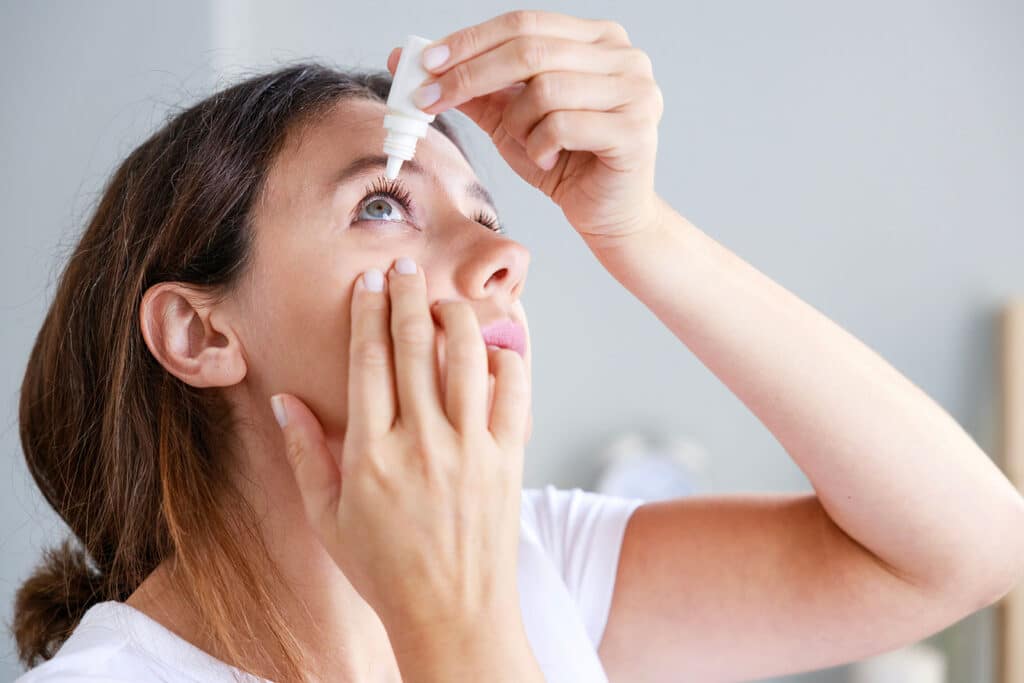
Taking care of your eyes during this time is crucial to avoid damage and discomfort. The first step is to avoid sunlight, as dilated pupils cannot limit light intake properly, increasing risk of UV damage. Wear quality sunglasses with UV protection when outside or in bright spaces.
For screen use, implement several protective strategies: adjust screen brightness to comfortable levels, maintain proper screen distance (about arm’s length), keep screens clean to minimize glare, and consider blue-light protection glasses for extended use. Taking regular breaks using the 20-20-20 rule (every 20 minutes, look 20 feet away for 20 seconds) can reduce eye strain.
Pupil dilation can cause blurry vision, dizziness, headaches, and difficulty balancing. Avoid driving or intense activities until your pupils return to normal size. If you experience accommodation problems or ongoing blurred vision, refractive glasses may help correct focus issues.
Schedule regular checkups with both your prescribing doctor and optometrist, especially if you experience chronic or recurring eye-related side effects from stimulant medications.Additional Signs of Prescription and Illegal Drug Abuse
While dilated pupils are one of the most noticeable signs of drug abuse, there are a few other symptoms you can look out for if you suspect a loved one might be at risk. Substance abuse can affect sleep, speech, and overall mood. If your loved one is experiencing heightened depression, paranoia, insomnia, or isolation, they could be battling an addiction. Other side effects may include unexplained changes in weight, trembling, or slurred speech.
Additional Signs of Prescription and Illegal Drug Abuse
While dilated pupils are one of the most noticeable signs of drug abuse, there are a few other symptoms you can look out for if you suspect a loved one might be at risk. Substance abuse can affect sleep, speech, and overall mood. If your loved one is experiencing heightened depression, paranoia, insomnia, or isolation, they could be battling an addiction. Other side effects may include unexplained changes in weight, trembling, or slurred speech.

When to Get Help
Knowing when to seek professional help is always important. If your eyes are consistently dilated or smaller than normal, you should seek medical attention. An eye specialist can help you to avoid further injury to the eyes and can help you understand your treatment options.
If your pupils are dilated due to prescription or nonprescription drug use, it could be a sign that it is time to enter a detox program. Garden State Detox has residential treatments, individual counseling, and medical detox programs to help you become sober. Contact us today to learn more about our personalized detox programs and how they can help you.
FAQ
What causes the eye-related side effects from Adderall and other stimulants?
Written by: The Garden State Detox Editorial Team
Published on: December 24, 2022
Updated on: November 12, 2025