

Are High Words Sober Thoughts
Sometimes, yes. Sometimes, no. It depends on the substance, the person, and whether what was said fits a pattern or came out of nowhere.
When someone drinks or gets high, substances affect the prefrontal cortex, the part of the brain responsible for impulse control and filtering what you say out loud. That filter goes offline. So feelings that already exist but normally stay buried can slip out. In that sense, “drunk words, sober thoughts” has some truth to it.
But substances don’t just lower your filter. They actively change your brain chemistry. Alcohol amplifies emotions. Stimulants like cocaine flood your brain with dopamine and can create intense feelings that vanish when the high wears off. Opioids generate a chemical warmth that feels like genuine connection but may be entirely drug-driven. Cannabis can make ordinary thoughts feel profound in the moment and meaningless the next morning.

So the real answer isn’t yes or no. It’s: what someone says while intoxicated might reflect real feelings, but it can just as easily be the substance distorting, amplifying, or manufacturing emotions that wouldn’t exist sober.
The better questions to ask are: have they said this before while sober? How did they react the next day? And is this a one-time thing or a pattern? We break all of that down below.
Probably okay – Signs you can take a breath
These suggest the moment was a one-off, the substance played a role, or the person is handling it well. Not everything said under the influence needs to become a crisis.
| What happened | Why it’s reassuring |
|---|---|
| You were both drinking/high | Substances impair how we interpret things, not just how we express them. You may have misread tone, context, or intent. Don’t trust one impaired memory as the full picture. |
| It was completely out of character | If this person has never said or done anything like this sober, the substance was likely creating a temporary altered state, not revealing a hidden truth. |
| They brought it up the next day | Someone who proactively acknowledges what they said and wants to talk about it is showing accountability. That’s a sign of a healthy communicator, not a red flag. |
| They were embarrassed and apologized | Genuine embarrassment means they recognize the behavior doesn’t reflect who they are sober. The prefrontal cortex was offline; now it’s back and they don’t like what happened. |
| It was a one-time thing | A single out-of-character moment during heavy intoxication is not a pattern. People say things they don’t mean when their inhibitions and judgment are chemically impaired. |
| They were on stimulants or opioids | These substances flood the brain with dopamine and can manufacture intense emotional states from scratch. What felt deeply real in the moment may have been entirely chemical. |
Worth paying attention to – Signs this might be a bigger issue
These patterns suggest something deeper is going on, whether it’s unspoken feelings, avoidance, or a substance use problem that needs to be addressed.
| What happened | Why it matters |
|---|---|
| You were sober when it happened | If you weren’t impaired, your read of the situation is more reliable. What you saw and heard wasn’t filtered through your own altered state. |
| They denied it ever happened | If they clearly remember but refuse to acknowledge it, the avoidance itself is the message. This can erode trust over time, especially if it becomes a pattern. |
| They’ve hinted at this sober too | When an intoxicated statement matches sober behavior, even in small ways, the substance didn’t create the feeling. It just removed the filter holding it back. |
| The same thing keeps coming up | Repressed thoughts that surface repeatedly while intoxicated carry real weight. Once is a slip. Twice is a coincidence. Three times is a pattern worth addressing. |
| They refused to discuss it sober | Shutting down the conversation is different from not remembering. If they won’t engage when clear-headed, there may be something they’re actively avoiding. |
| It’s getting more frequent or intense | Escalating behavior while intoxicated is a serious concern regardless of whether individual statements are “true.” Chronic substance use can cause lasting changes in brain chemistry. |
| It only comes out when they drink or use | If someone can only express certain feelings while intoxicated, that’s a communication issue, a substance issue, or both. Either way, it deserves a real sober conversation. |
Why Euphoria Makes It Difficult for Some People To Overcome Addiction
Even those with the strongest will sometimes succumb to addiction, and the euphoric high that is part and parcel of nearly all illicit substances has a lot to do with why. To appreciate why this is, it helps to know more about what happens in the mind and body when someone indulges in specific drugs.
Opioids
When discussing substance use disorders (SUDs) in America, opioids must be part of that discussion. The reason is due to its negative effects on the lives of so many people. According to one study from the National Institutes of Health (NIH), some 3 million Americans have an opioid use disorder (OUD). A separate study from the same organization revealed that nearly 70,000 Americans die from overdosing on opioids each year. Opioids, both prescription and street-level variants, namely heroin, can trigger an intense euphoric high because of how they interact with receptors in the brain. In short, opioids attach to receptors in the brain, and that attachment triggers a release of endorphins and dopamine, both of which are “feel good” chemicals. For many people, this rush of feel-good chemicals gives way to feelings of calmness and relaxation so intense that they begin to behave differently. Sometimes, that includes expressing feelings they would ordinarily suppress.
Stimulants
Whether it be methamphetamine, cocaine, or prescription-based amphetamines, stimulants are a problem for many people in the U.S. and, arguably, worldwide. Available data shows 6.6% or roughly 16 million people in the U.S. have a problem with stimulants. Although the mechanism is slightly different compared to opioids, stimulants also alter dopamine levels in the brain. But it does not stop there as they also interfere with norepinephrine levels, a neurotransmitter that works with adrenaline to help regulate heart rate and blood circulation. Increased levels of norepinephrine are behind the increased alertness, attention, and energy that most experience when they abuse stimulants. The increase in dopamine, meanwhile, triggers a calm euphoria that makes some people not only become more talkative but also drives them to behave differently.
Cannabis or Marijuana
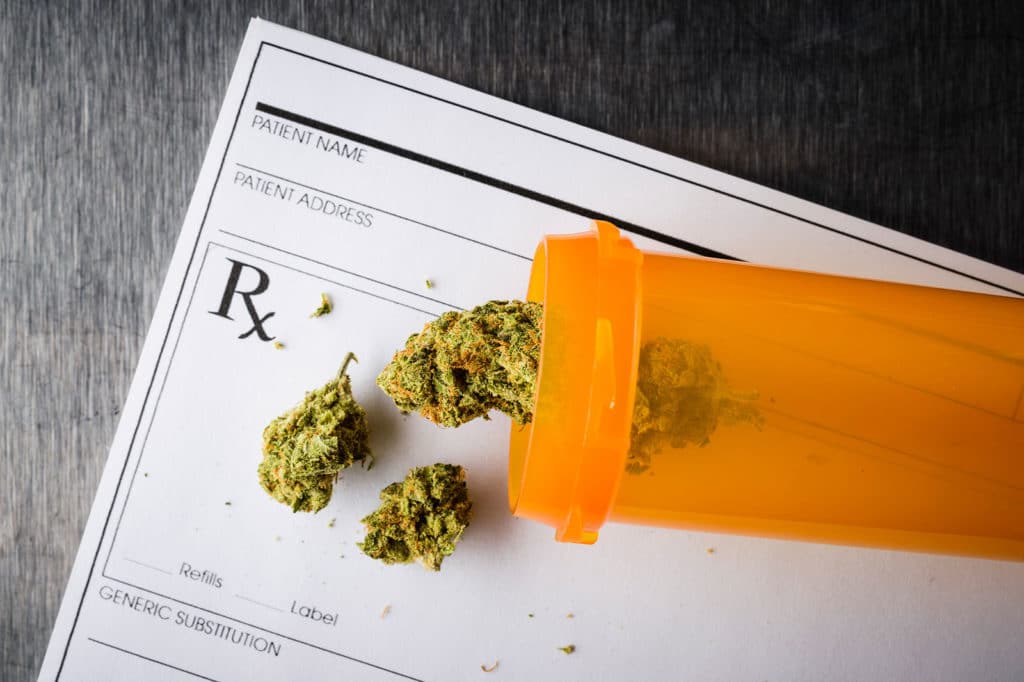
Despite becoming more accepted and less taboo, marijuana is still a drug at the end of the day. And it can affect the brain in some pretty profound ways. The ingredient in marijuana triggers the euphoric high most marijuana users experience when they smoke or consume it as an edible (marijuana or CBD edibles) such as tetrahydrocannabinol (THC). The higher the concentration of THC in the marijuana, the more intense the euphoric high will be. Likewise, the more calm and relaxed an individual will likely be. These changes in overall mood resulting from the THC in marijuana can sometimes make people more talkative, friendly, and open than they would be if they weren’t under the influence of THC.

All substances can, to some degree, change how people think, act, and generally experience life, but some are more likely to force truthfulness out of them. These drugs include
Alcohol
Although seldom thought of as such, probably because it is so easily accessible, alcohol is, indeed, a drug. Moreover, it is a drug that affects the lives of a large percentage of Americans. According to the National Institute on Alcohol Abuse and Alcoholism, around 15 million Americans said they had an alcohol use disorder (AUD) in 2019. These same individuals also said they found it difficult to suppress their true feelings when under the influence. And this only lends credence to a famous quote by French philosopher Jean-Jaques Rousseau, “a drunk mind speaks a sober heart.” The long and short-term effect of drinking alcohol, to the point that one becomes drunk, affects the gamma-aminobutyric acid (GABA) receptors in the cerebral cortex and the central nervous system. When this happens, most individuals become less inhibited. That lower inhibition leads to them saying and doing things they wouldn’t typically do sober. Available data shows people are more likely to express feelings of love or bitter resentment while intoxicated. They are also more likely to become verbally or physically aggressive.
Barbiturates
While they don’t get the same attention as alcohol, opioids, and stimulants, barbiturates are also a problem in the United States. As of the writing of this article, an estimated 6 million Americans take barbiturates explicitly to achieve a euphoric high. Examples of barbiturate drugs include amobarbital, butabarbital, pentobarbital, and sodium pentothal. The only barbiturate that scientists and researchers have looked at for the possibility of “truth-telling” properties is sodium pentothal. For those unaware, sodium pentothal is a drug that slows down how quickly messages travel through the brain and spinal column; this slowdown helps individuals with insomnia fall asleep. Before falling asleep, however, they meander between consciousness and unconsciousness. During this back and forth, they enter a stage called twilight. When in this stage, individuals are less inhibited, more talkative, and more inclined to share their true feelings with others.
Benzodiazepines
Most would agree benzodiazepine drugs can be a blessing and a curse. They are a blessing for those who struggle with anxiety, depression, and insomnia. However, they are an absolute curse for those who develop an addiction or struggle with unpleasant side effects after taking them. Some of the most commonly prescribed and abused benzodiazepine drugs include the following:
- Ativan
- Klonopin
- Librium
- Temazepam
- Valium
- Xanax
Like many other drugs, benzodiazepines work by ramping up the production of gamma-aminobutyric acid (GABA) in the cerebral cortex. This uptick in GABA production slows down central nervous system activity, which has a calming effect that quickly puts an end to feelings of anxiety, depression, and sleeplessness. Whether someone abuses these powerful prescription-based drugs or takes them as directed, they experience some side effects, one of which is an unyielding desire to be more talkative. And this can lead to some people allowing their true feelings to come out when engaging with others. Additional side effects associated with benzodiazepine drugs include the following:
- Emotional release
- Restlessness
- Intense feelings of euphoria

Conclusion
In summary, along with completely upending your life, substance abuse can cause you to reveal more about yourself and your life than you would probably ever willfully want to share with another human being. With that all being said if you’re interested in getting your life back on track and being more in control of what you share with others and need help finding a rehab facility in your area, consider speaking with a Garden State Detox associate today.
FAQs
How do you know if someone meant what they said while drunk?
Why do people say things while high that they won’t say sober?
How do scientists view the idea that intoxicated words reveal someone’s true self?
Written by: The Garden State Detox Editorial Team
Published on: January 31, 2023
Updated on: May 12, 2026